Qassim Enjoys Natural Diversity Bringing Together Valleys, Sand Dunes, and Agricultural Oases
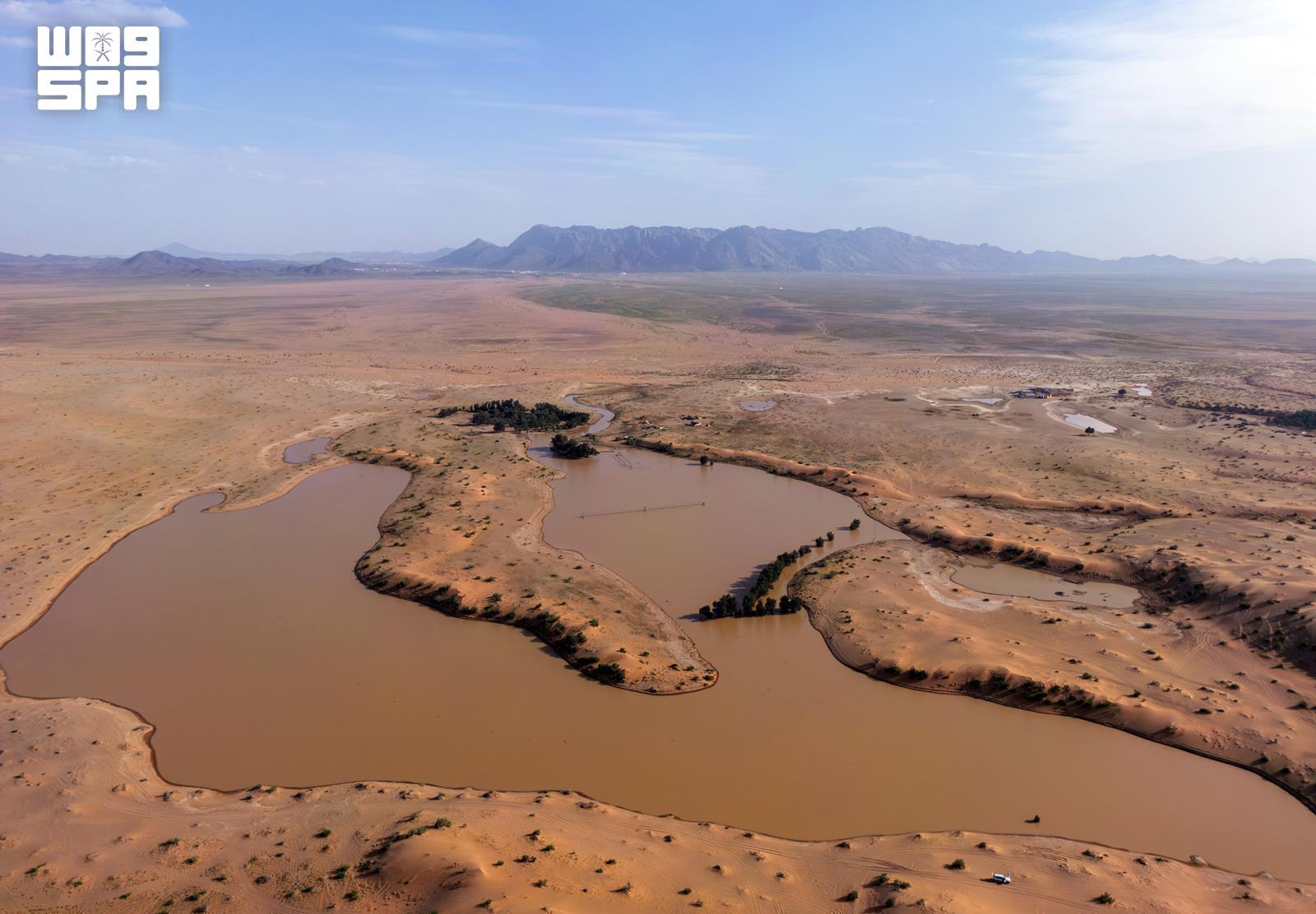
Qassim Region features diverse terrain, vegetation, and agricultural oases, with valleys, plains, and sand dunes stretching across the region. Natural meadows and pastures are widespread, alongside oases featuring palm trees and native plants. Environmental and agricultural initiatives contribute to preserving these natural assets, developing vegetation cover, and combating desertification.
Wadi Al-Rummah is one of the region's most prominent natural landmarks, alongside Al-Thuwairat Sands, which form part of its desert environment. Seasonal wild plants grow in valleys and meadows following rainfall, providing natural habitats for a range of wildlife.
Following rainfall, pastures and meadows become covered with native plants and shrubs, including acacia, sidr, arta, and arfaj. These areas attract picnickers, camping enthusiasts, and outdoor adventurers. They are also important for pastoral activities associated with the region's social and economic heritage, highlighting the need to protect them from woodcutting, overgrazing, and practices that damage vegetation cover.
In the south of the region, Al-Mithnab's oases extend amid the sands of Nafud Saafaiq. The area contains around 60 oases, 32 of which are distinguished by their abundant palm trees. Ghada and arta shrubs also grow there, while the availability of water helps sustain vegetation in the desert environment. These oases reflect the diversity of Qassim's natural habitats.
This diversity extends to agricultural activity, which represents an important economic resource for the region. According to the latest statistics from the National Center for Palms and Dates, Qassim has 10,867,246 palm trees producing 584,127.80 tons of dates, while the number of agricultural holdings stands at 13,403. The region also cultivates citrus fruits, grapes, pomegranates, vegetables, and seasonal crops, contributing to the diversity of local production and food security.
As part of efforts to develop vegetation cover and combat desertification, the Green Qassim Land initiative has contributed to planting 8,624,371 trees. The initiative is implemented by the region's branch of the Ministry of Environment, Water and Agriculture in cooperation with the National Center for Vegetation Cover Development and Combating Desertification. It forms part of broader efforts to promote environmental sustainability and improve quality of life.