Jeddah’s Air Quality Under 24-Hour Watch at 18 Monitoring Stations
18 air quality monitoring stations across Jeddah provide round-the-clock readings of the city’s air, tracking changes in pollutant concentrations across Jeddah’s Air Quality Under 24-Hour Watch at 18 Monitoring Stations
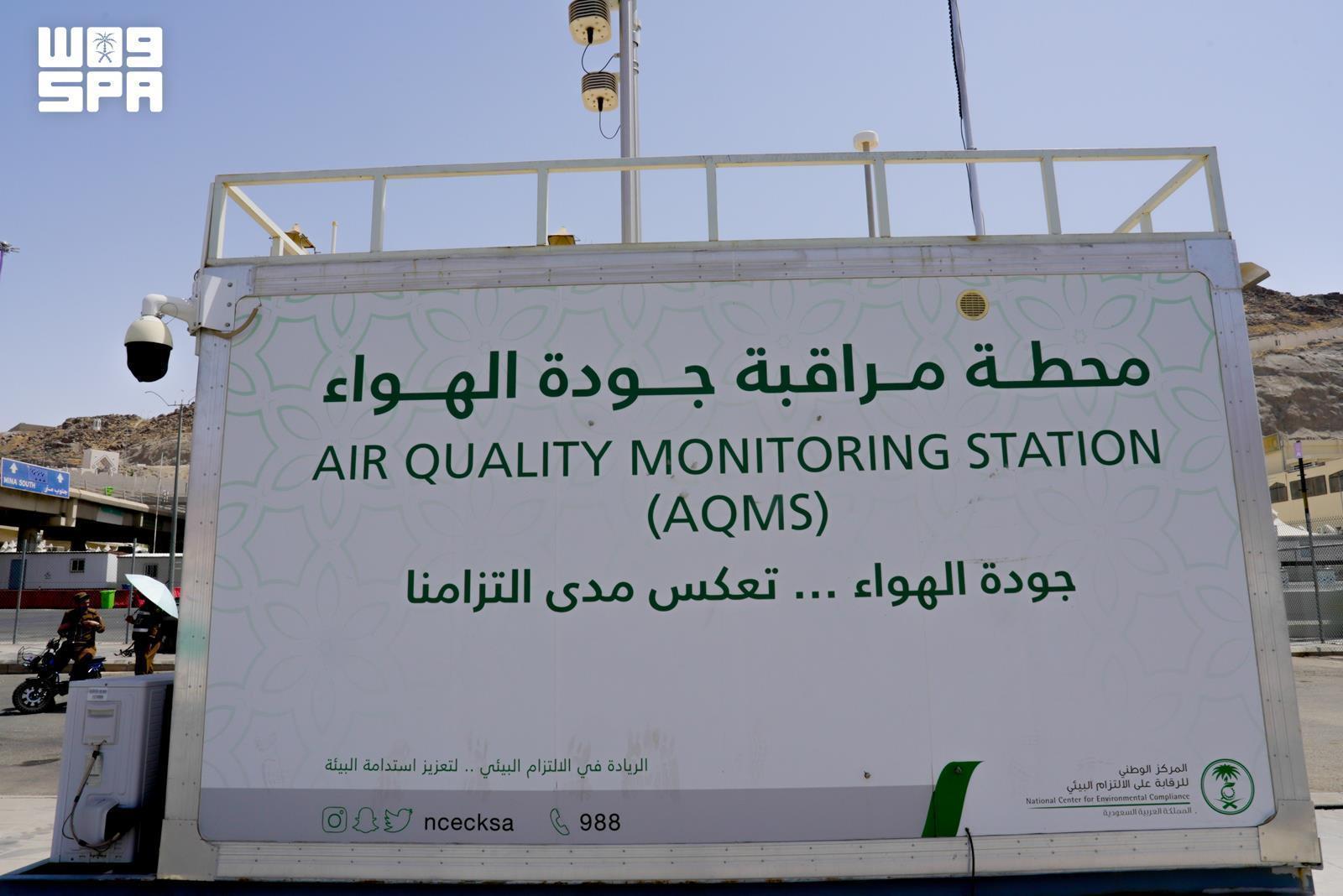
Jeddah, November 5, 2026, SPA -- 18 air quality monitoring stations across Jeddah provide round-the-clock readings of the city’s air, tracking changes in pollutant concentrations across different locations and at different times. By turning invisible air pollutants into measurable indicators, the network helps monitor air quality and take the necessary action when readings exceed approved limits.
The stations are part of the monitoring network operated by the National Center for Environmental Compliance. They continuously measure pollutant levels and movements, while their geographic distribution helps identify differences between residential areas, major roads, and locations near industrial and coastal activities.
Available air quality maps show monitoring points across several areas, including Al-Matar, Obhur, Dahaban, Buraiman, Al-Rawdah, Al-Jami’ah and Al-Khumrah, as well as Jeddah Historic District and the industrial area. Mobile laboratories also support monitoring in locations requiring additional attention.
The monitoring system measures several air pollutants, including fine and inhalable particulate matter, ozone, nitrogen dioxide, sulfur dioxide and carbon monoxide. It also tracks weather conditions that affect pollutant movement, such as temperature, humidity and wind. Data on these indicators are updated continuously.
The Air Quality Index (AQI) classifies readings into six levels: Good, Moderate, Unhealthy, Severe, and Hazardous. This classification helps authorities issue alerts and guidance suited to each level, particularly for children, older people, pregnant women, and those with asthma or respiratory and heart conditions.
The National Center for Meteorology plays a complementary role by providing data on wind, humidity, temperature, dust and visibility to help explain how pollutants move. Winds can disperse pollutants or carry them from one location to another, while humidity, sea breezes and airborne dust can affect readings recorded by monitoring stations in a coastal city like Jeddah.