Restoring Historic Jeddah's Rawasheen, Craft Passed to New Generation
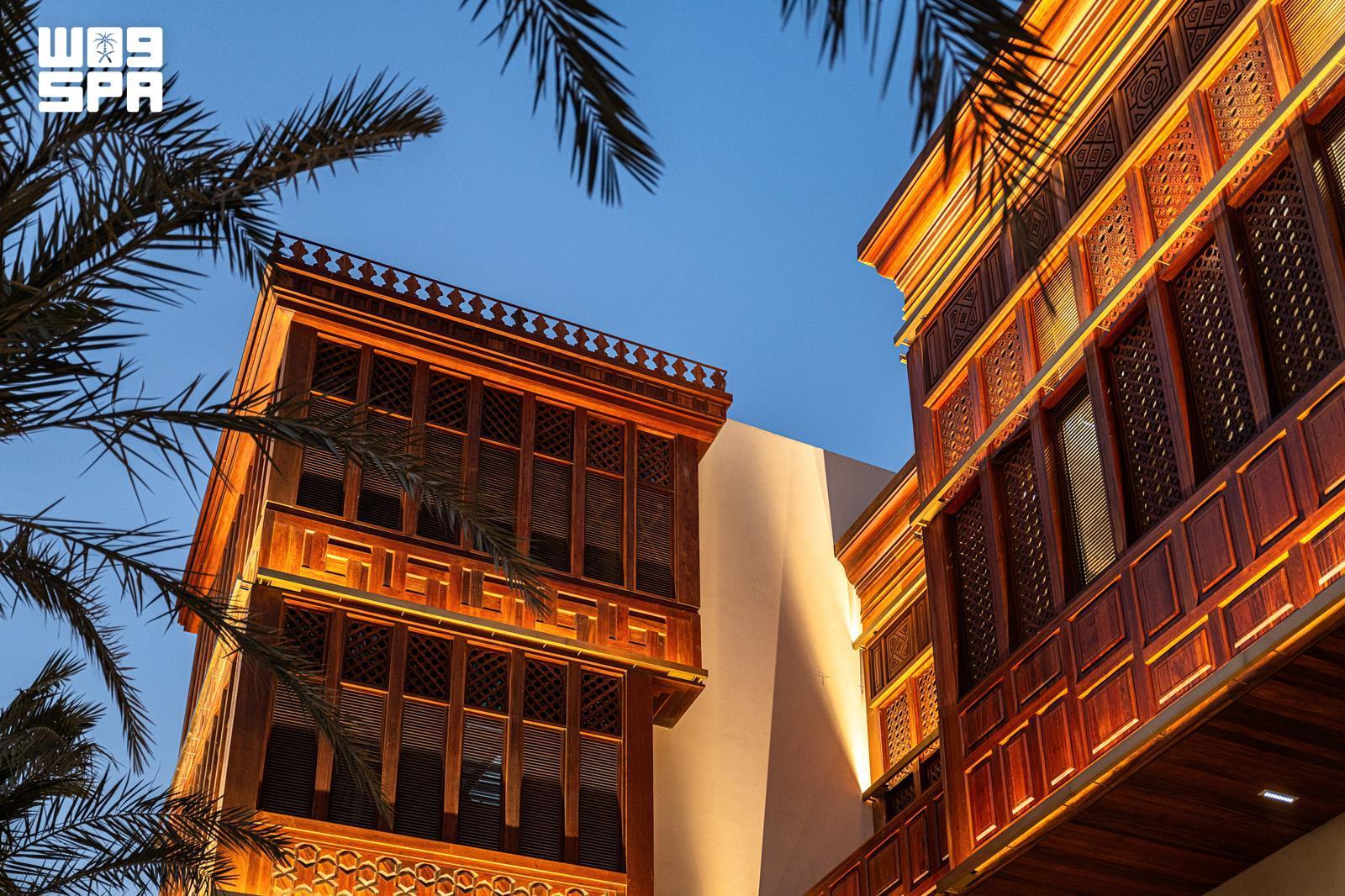
In the alleys of Historic Jeddah, wooden rawasheen (traditional wooden lattices) are more than decorative features adorning building façades. They are an integral part of the city's identity and architectural heritage. Their carvings and intricate details reflect the skill of craftsmen and show how traditional architecture adapted to the climate and residents' needs.
As the craft passes to a new generation, Saudi teenagers and young people are learning how to make and restore rawasheen. They are being trained to work with traditional wood, understand decorative details, and master shaping and installation techniques. Their work contributes to preserving one of Historic Jeddah's most prominent visual features.
Restoration involves more than repairing wooden pieces. It requires detailed knowledge of traditional construction methods and the characteristics of each roshan. The process also seeks to preserve original elements and historical details as much as possible.
Rawasheen are among the most prominent features of traditional architecture, combining beauty with function. They allow light and air into homes while providing privacy for residents. Over time, they have become a distinctive feature of Historic Jeddah's façades.