Soudah Waterfall Joins Ramsar List of Wetlands of International Importance
The National Center for Wildlife (NCW) and Soudah Development announced the inclusion of Soudah Waterfall in Aseer Region on the List of Wetlands of International Importance (the Ramsar List), making it the second site in Saudi Arabia to receive the designation.
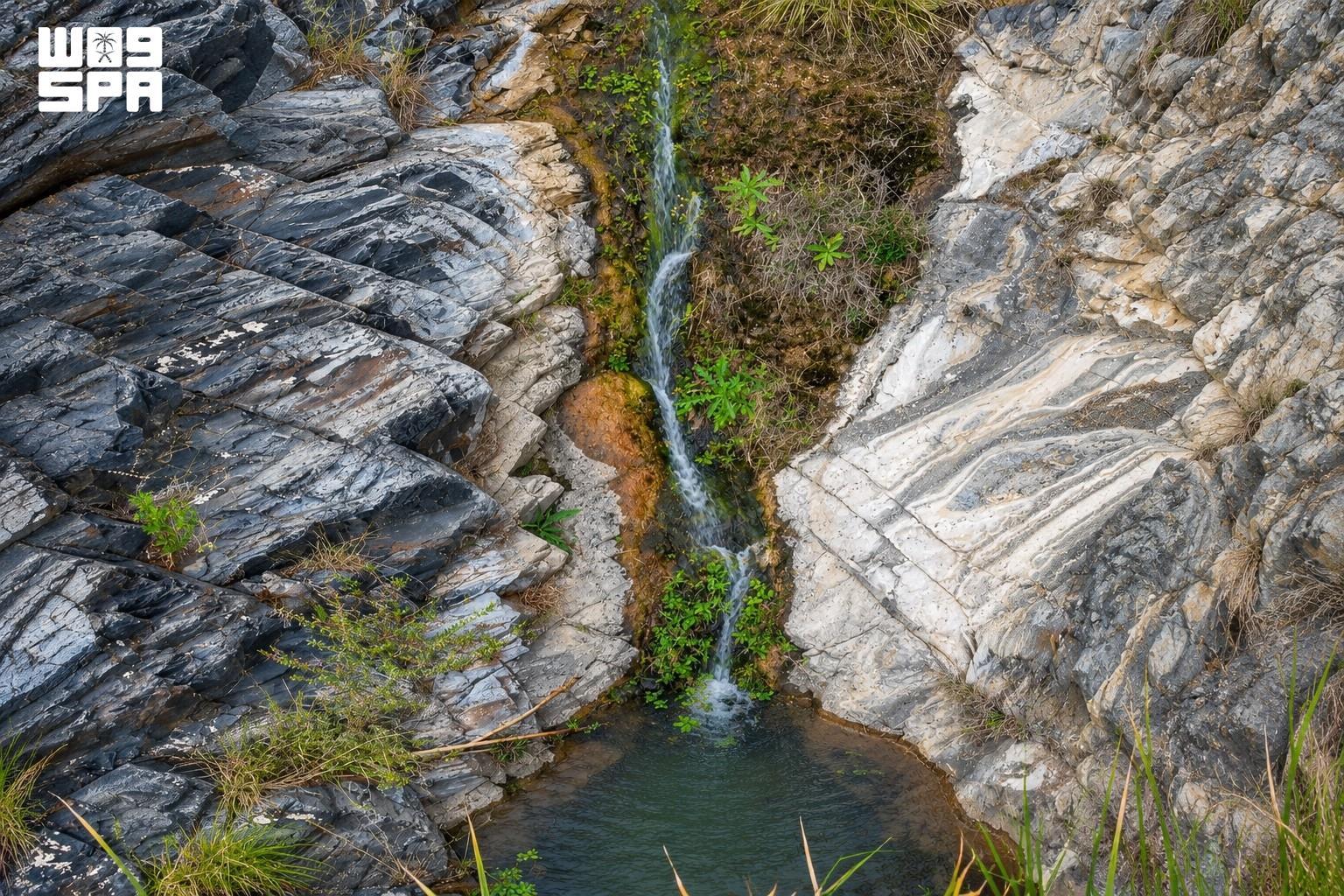
The listing reflects Saudi Arabia's efforts to protect natural ecosystems, preserve biodiversity, and promote the sustainability of natural resources. Located in the Soudah highlands at an elevation of more than 2,400 meters above sea level, Soudah Waterfall is one of Saudi Arabia's rare permanent mountain waterfalls.
Locally known as Wadi Al-Aziza, the site covers an estimated 30 hectares. It features a rocky gorge stretching approximately 600 meters, along with perennial springs, permanent water pools, and riparian habitats sustained by moisture from fog and mist carried by the southwestern monsoon winds. The site is ecologically significant because it lies at the intersection of the Paleotropical and Afrotropical floristic zones, contributing to its rich biodiversity. Its natural habitats support a variety of plant and animal species, including rare and endemic species.
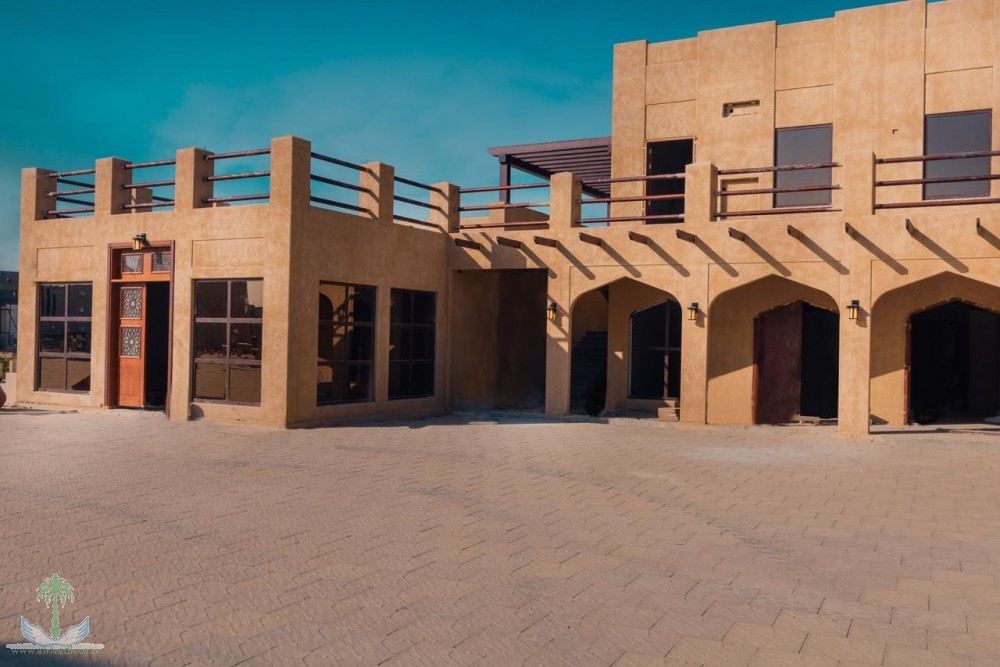
Soudah Waterfall also has cultural and social significance, reflecting the longstanding relationship between local communities and their natural environment. The historic Abo Sarrah Palaces, dating back more than 1,000 years, lie around 650 meters from the rocky gorge. Traditional agricultural terraces extend across the surrounding slopes, showcasing inherited local practices that have helped conserve natural resources and sustain the environment.
As part of efforts to conserve the site, the NCW, as Saudi Arabia's representative to the Ramsar Convention, has developed a 10-year management plan in cooperation with Soudah Development and several relevant entities. The plan includes restoring natural habitats, sustainably managing water resources, controlling invasive species, enhancing resilience to climate change, conducting scientific monitoring, engaging local communities, and raising environmental awareness.
Wetlands play a vital role in conserving biodiversity and sustaining ecosystems. They provide feeding, breeding, and shelter habitats for numerous wildlife species. Around 40% of the world's plant and animal species live or reproduce in wetlands. These areas also help regulate water resources, improve water quality, mitigate flooding, store carbon, and strengthen ecosystems' resilience to climate change.
Wetlands are also economically and socially significant, supporting sustainable water resources, agriculture, fisheries, and ecotourism. More than one billion people worldwide depend on them for their livelihoods. They also strengthen local communities' connections with their natural environments and help preserve traditional knowledge and practices related to sustainable resource management.
The importance of conserving these habitats is growing amid mounting global environmental challenges. Estimates indicate that around 411 million hectares of wetlands have been lost since 1970, while more than 25% of wetland-related species face the risk of extinction. A global assessment covering 23,496 freshwater animal species found that 24% are threatened with extinction. These findings underscore the need to intensify efforts to protect wetlands and restore their natural habitats.
The inclusion of Soudah Waterfall on the Ramsar List builds on Saudi Arabia's efforts to protect ecosystems, preserve its natural and cultural heritage, and promote the sustainable management of habitats and natural resources. These efforts support Saudi Vision 2030 and biodiversity conservation for future generations.